Moroccan wildlife is one of North Africa’s most fascinating wildlife destinations. Located at the crossroads of Europe and Africa, the country hosts an extraordinary diversity of species across its mountains, deserts, wetlands, forests, and Atlantic coastline. From the snow-covered peaks of the High Atlas Mountains to the vast dunes of the Sahara Desert and the rich ecosystems of the Atlantic coast, Morocco offers exceptional opportunities for wildlife enthusiasts, birdwatchers, photographers, and nature travelers.
Whether you dream of observing rare migratory birds, photographing desert mammals, or discovering reptiles uniquely adapted to harsh environments, Morocco offers a remarkable wildlife experience year-round.
Why Moroccan Wildlife is unique?
Morocco’s unique geography creates an impressive variety of habitats within a relatively small area. The country lies along one of the world’s most important migratory bird routes between Europe and Africa while also hosting numerous endemic species found nowhere else on Earth.
Wildlife habitats in Morocco include:
- The High Atlas Mountains
- The Middle Atlas Cedar Forests
- The Anti-Atlas Mountains
- Sahara Desert and Erg Chebbi Dunes
- Atlantic Coastal Wetlands
- Oases and Palm Groves
- Steppe and Semi-Arid Landscapes
This diversity makes Morocco one of the premier destinations for birdwatching, wildlife photography, and nature-based tourism in North Africa.
Morocco’s Avian Wonders: A Birdwatcher’s Paradise
With more than 450 recorded bird species, Morocco is considered one of the finest birding destinations in the Western Palearctic region. Every year, millions of migratory birds pass through the country while many rare resident species thrive in its varied habitats.
Atlantic Coast & Wetlands
Morocco’s Atlantic coast hosts some of the most important wetlands in Africa. Areas such as Souss-Massa National Park and Merja Zerga Lagoon provide critical feeding and breeding grounds for numerous species.
Notable Birds
- Northern Bald Ibis
- Greater Flamingo
- Eurasian Spoonbill
- Audouin’s Gull
- Glossy Ibis
- Squacco Heron
- Purple Heron
- Marsh Harrier
- Osprey
The Northern Bald Ibis is particularly significant. Once widespread throughout Europe and North Africa, the world’s largest remaining wild population now survives along Morocco’s Atlantic coast thanks to decades of conservation efforts.
The High Atlas Mountains
The High Atlas Mountains create a completely different birding environment. Rocky cliffs, alpine meadows, and rugged valleys provide habitat for several mountain specialists.
Key Species
- African Crimson-winged Finch
- Alpine Accentor
- Atlas Horned Lark
- Barbary Partridge
- Alpine Chough
- Levaillant’s Green Woodpecker
- Bonelli’s Eagle
- Long-legged Buzzard
- Tristram’s Warbler
- Lanner Falcon
These high-altitude habitats offer some of the best opportunities to observe Morocco’s endemic and near-endemic bird species.
The Sahara Desert
The Sahara represents one of Morocco’s most exciting birdwatching environments. Around Merzouga and Erg Chebbi, specialized desert birds have adapted to survive extreme temperatures and limited water resources.
Desert Specialties
- Desert Sparrow
- Hoopoe Lark
- Desert Lark
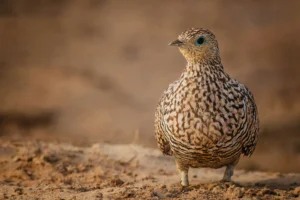
- Crowned Sandgrouse
- Spotted Sandgrouse
- Bar-tailed Lark
- Thick-billed Lark
- Temminck’s Lark
- African Desert Warbler
- Blue-cheeked Bee-eater
- Egyptian Nightjar
During spring and autumn migration, the desert also attracts many rare migrants, making every excursion a potential surprise.
Moroccan Mammals: From Cedar Forests to Desert Dunes
Although mammals are often more elusive than birds, Morocco supports a fascinating variety of species ranging from mountain primates to desert predators.
The Barbary Macaque
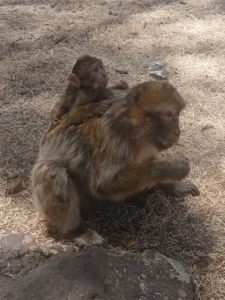
The Barbary Macaque is Morocco’s most famous mammal and the only wild monkey species found in North Africa.
The best place to observe these charismatic primates is the cedar forests surrounding Ifrane National Park in the Middle Atlas Mountains. They live in large social groups and can often be seen foraging among ancient cedar trees.
Gazelles and Hoofed Mammals
Several gazelle species historically inhabited Morocco’s mountains and deserts.
Important Species
- Cuvier’s Gazelle (Edmi)
- Dama Gazelle
- Dorcas Gazelle
- Wild Boar
The Cuvier’s Gazelle remains one of Morocco’s most important conservation species and survives in isolated mountain habitats.
Desert Mammals & Predators
The Sahara hosts an impressive collection of desert-adapted mammals.
Species Often Sought by Wildlife Enthusiasts
- Fennec Fox
- Golden Jackal
- Cape Hare
- Desert Hedgehog
- Egyptian Jerboa
- Fat Sand Rat
- Striped Hyena
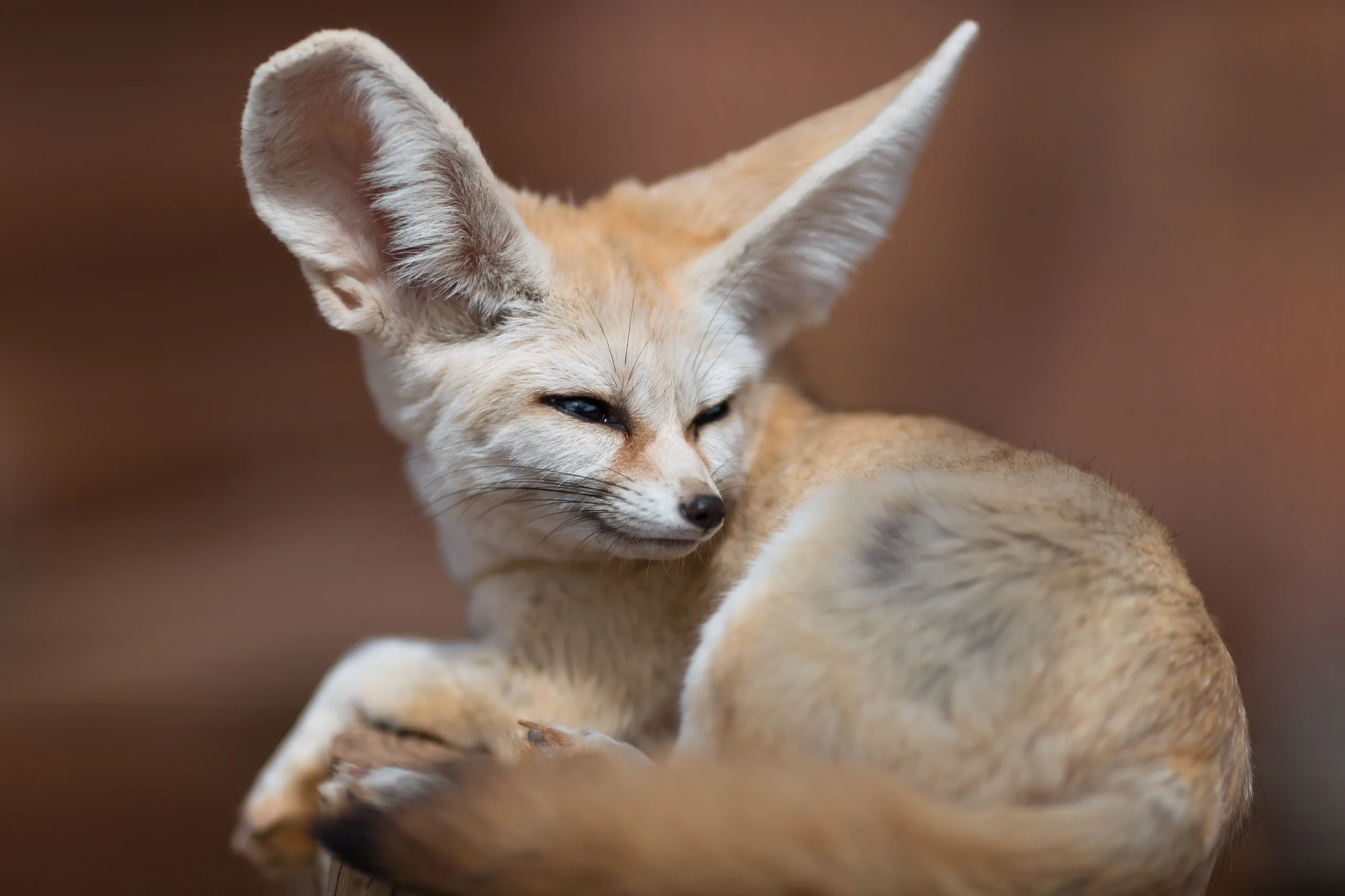
The Fennec Fox
The Fennec Fox is undoubtedly one of the most iconic desert mammals in Morocco.
Its large ears help regulate body temperature and locate prey beneath the sand. Although sightings are never guaranteed, wildlife-focused excursions around the Sahara occasionally encounter this remarkable nocturnal species.
Barbary Leopard
Historically, the Barbary Leopard inhabited Morocco’s Atlas Mountains. Today, the species is generally considered regionally extinct in Morocco, underscoring the importance of wildlife conservation nationwide.
Moroccan Reptiles: Masters of Desert Survival
For reptile enthusiasts, Morocco is one of North Africa’s richest destinations. More than 90 reptile species have been recorded, including several endemic species.
Lizards and Agamas
Morocco’s deserts and rocky habitats host an incredible diversity of lizards.
Commonly Observed Species
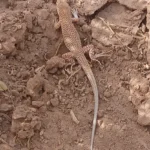
- Moroccan Spiny-tailed Lizard
- Desert Monitor
- Bibron’s Agama
- Desert Agama
- Sandfish Skink
- Schokari Sand Racer
The Desert Monitor can occasionally be observed in remote desert habitats of southeastern Morocco, although sightings remain relatively uncommon.
Snakes of Morocco
Many snake species play important ecological roles within Morocco’s desert and mountain ecosystems.
Notable Species
- Horned Viper
- Black Desert Cobra
- Moorish Viper
- Algerian Whip Snake
Visitors should always respect wildlife and avoid disturbing reptiles encountered in their natural habitat.
Tortoises and Geckos
The smaller reptiles of Morocco are equally fascinating.
Examples
- Moorish Tortoise
- Moroccan Gecko
- Mediterranean House Gecko
- Ocellated Skink
Many gecko species become active after sunset and can often be observed around rocky areas and desert lodges.
Best Wildlife Destinations in Morocco
1. Souss-Massa National Park
One of Morocco’s most important protected areas.
Highlights:
- Northern Bald Ibis
- Flamingos
- Ospreys
- Wetland birdlife
- Coastal ecosystems
2. Merzouga & Erg Chebbi
The ultimate destination for Sahara wildlife.
Highlights:
- Desert birds
- Fennec Fox
- Desert reptiles
- Wildlife photography
- Sandgrouse gatherings
3. Ifrane National Park
Often called the “Switzerland of Morocco.”
Highlights:
- Barbary Macaques
- Cedar forests
- Wild boar
- Mountain birds
4. Toubkal National Park
Morocco’s highest mountain region.
Highlights:
- Alpine bird species
- Raptors
- Endemic mountain wildlife
- Spectacular landscapes
Wildlife Photography in Morocco
Morocco has become increasingly popular among wildlife photographers due to its accessibility and exceptional variety of habitats.
Popular photography subjects include:
- Northern Bald Ibis
- Fennec Fox
- Desert Sparrow
- Hoopoe Lark
- Barbary Macaque
- Horned Viper
- Desert landscapes
- Migratory birds
The best photography seasons are generally:
- February to May
- September to November
These periods coincide with migration seasons and comfortable weather conditions.
Conservation Efforts in Morocco
Morocco has made significant progress in wildlife conservation through the creation of national parks and protected areas.
Important conservation sites
include:
- Souss-Massa National Park
- Ifrane National Park
- Toubkal National Park
- Talassemtane National Park
- Khenifiss National Park
Despite these achievements, wildlife still faces challenges from habitat loss, climate change, and illegal hunting. Responsible ecotourism and wildlife-focused travel play an important role in supporting conservation initiatives and local communities.
Frequently Asked Questions
What is the best place for birdwatching in Morocco?
Souss-Massa National Park and the Merzouga region are among the top birdwatching destinations in Morocco, offering both resident and migratory species.
Can I see a Fennec Fox in Morocco?
Yes. Fennec Foxes inhabit the Sahara Desert, particularly remote dune systems around southeastern Morocco. However, sightings are never guaranteed because they are nocturnal and elusive.
What is the best season for wildlife watching in Morocco?
Spring (February–May) and autumn (September–November) generally provide the best wildlife viewing opportunities due to bird migration and pleasant temperatures.
Are there endemic bird species in Morocco?
Yes. Morocco hosts several endemic and near-endemic species, including Levaillant’s Green Woodpecker, Atlas Horned Lark, and African Crimson-winged Finch.
Is Morocco good for wildlife photography?
Absolutely. Morocco offers a unique combination of desert, mountain, forest, and coastal ecosystems, making it one of the most rewarding wildlife photography destinations in North Africa.
Plan Your Morocco Wildlife Adventure
Ready to discover Morocco’s extraordinary wildlife?
Join our expert-led wildlife tours, birdwatching expeditions, and photography safaris across the Atlas Mountains, Sahara Desert, and Atlantic coast. Whether you are searching for rare birds, desert mammals, or unique reptile species, our local guides will help you experience the very best of Morocco’s natural heritage.
Contact Morocco Tours Data today and start planning your unforgettable wildlife adventure in Morocco.